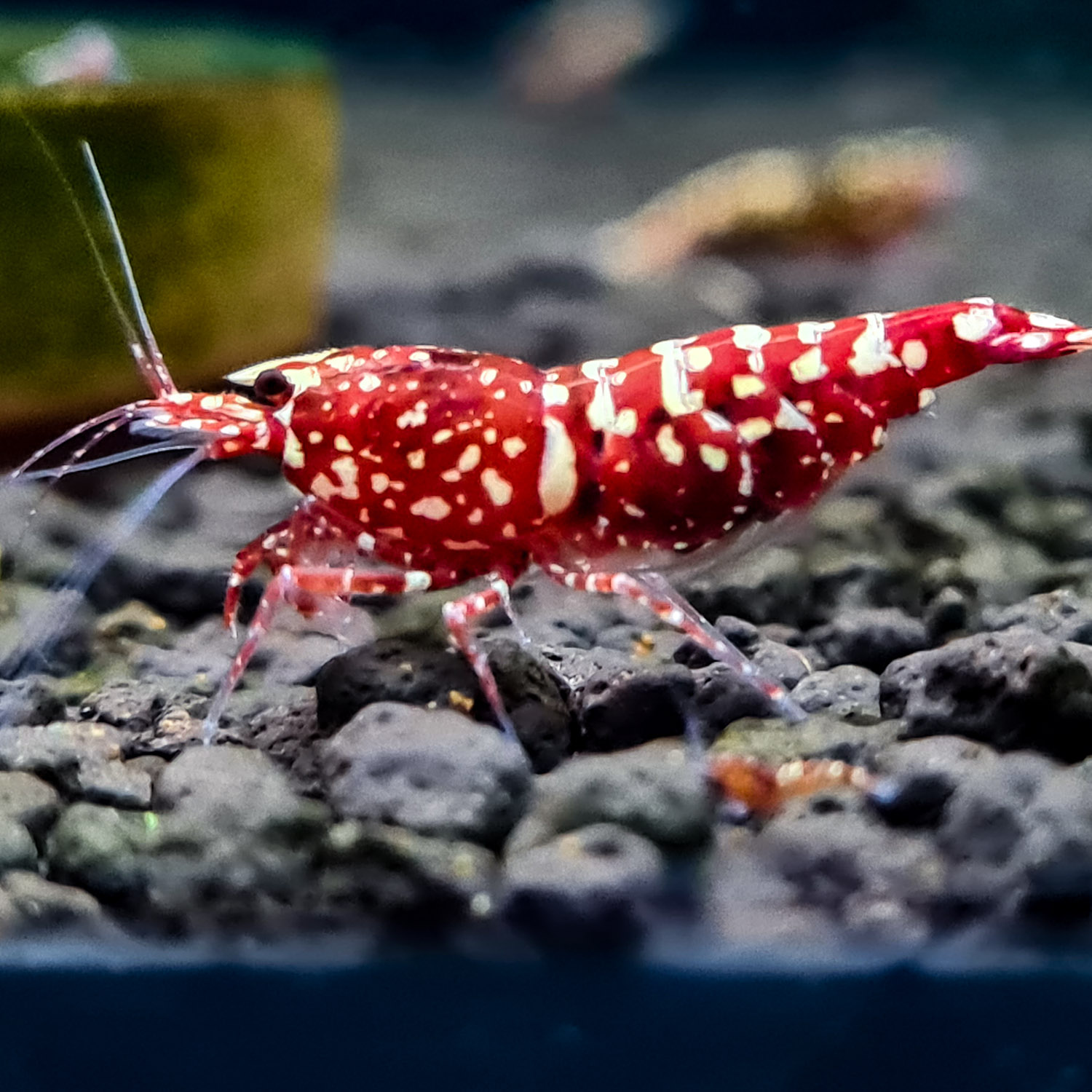
Intro
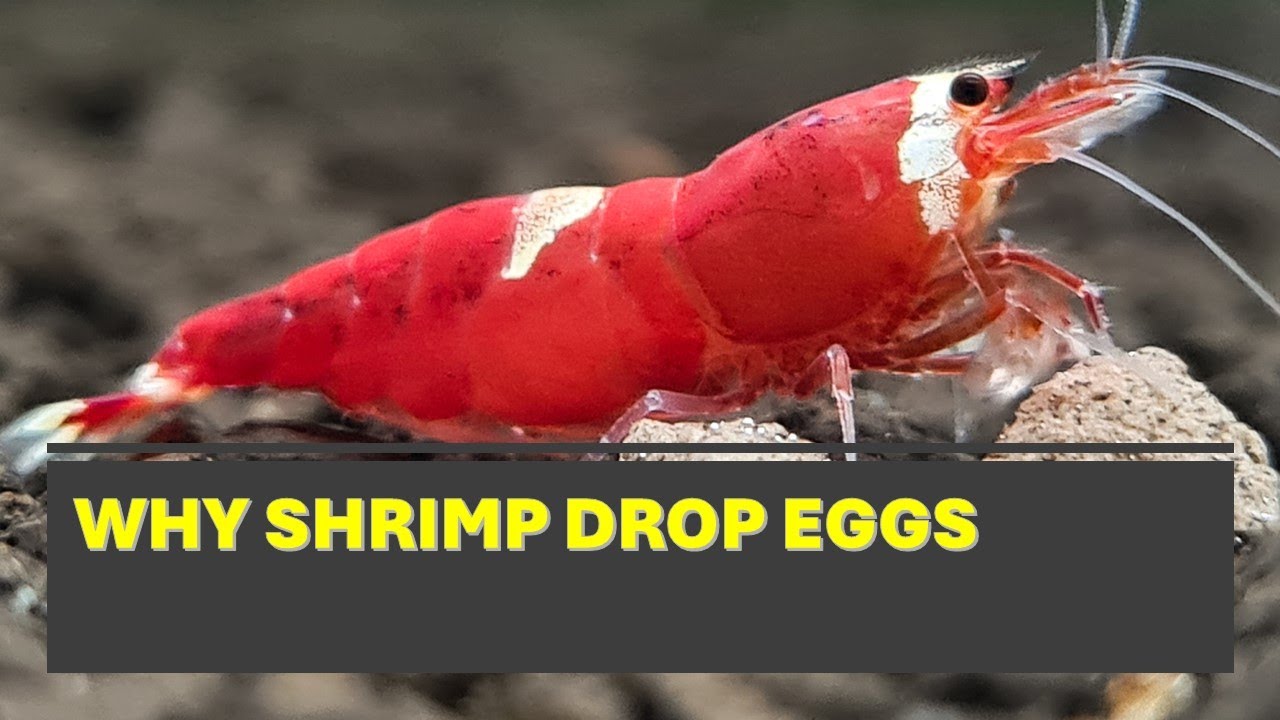
Hello shrimp enthusiasts, and welcome back to Shrimp Sanctuary! Today, we are diving into a topic that concerns every shrimp breeder: why berried shrimp drop their eggs. This issue often causes worry and confusion, especially for first-time breeders or those setting up new tanks. Dropping eggs can happen for multiple reasons, ranging from environmental changes to natural adaptation processes.
Before we delve into the topic, a quick shoutout to the upcoming South Africa shrimp competition in November. Many hobbyists, including Freddy and Uncle Peter, have already submitted their entries, and I encourage everyone to participate. Entering competitions is more than winning prizes—it’s about personal growth, learning from others, and improving your shrimp breeding skills. Competitions allow you to compare your shrimp, receive expert feedback, and discover subtle traits that could enhance your breeding results.
For newcomers, submitting multiple shrimp entries—whether Caridina or new Caridina varieties—provides an opportunity to learn, grow, and refine your breeding techniques under expert guidance
Author: Shrimp Sanctuary
Why Shrimp Drop Their Eggs
One of the most common questions from shrimp breeders is, “Why did my berried shrimp drop her eggs?” The answer often lies in environmental stressors or natural breeding cycles.
1. New Tank Syndrome
Whenever a shrimp is introduced to a new or recently reset tank, it may drop eggs due to instability in water parameters. Even if the water chemistry appears ideal, small fluctuations can trigger egg dropping. This is a natural adaptation mechanism; the shrimp senses that the environment is not yet suitable for raising offspring. Over time, as the tank stabilizes, berried shrimp will successfully retain and hatch their eggs.
2. First-Time Berried Females
Newly matured female shrimp may lack the experience needed to properly carry eggs for the full incubation period. First-time berried shrimp are more likely to drop eggs during early breeding cycles. It is important to recognize this as a normal part of breeding rather than a failure. These females will typically succeed in subsequent breeding attempts.
3. Stress from Tank Changes
Any sudden changes—tank resets, moving decorations, or shifting water parameters—can lead to egg dropping. When eggs are dropped, it does not automatically indicate poor care. Instead, it reflects the shrimp’s natural instinct to protect the next generation, ensuring that offspring are only produced under optimal conditions.
When to Monitor and Take Action
While occasional egg dropping is normal, there are scenarios where intervention may be necessary:
1. Consecutive Egg Loss
If a shrimp repeatedly drops eggs over two or three consecutive cycles, it may indicate a deeper issue such as inbreeding or water quality problems. Observing this pattern signals a need to review the lineage, tank conditions, and feeding practices.
2. Survival of Offspring
Eggs that fail to develop or hatch consistently could be a sign of genetic degradation. Overbreeding within the same line may result in weaker offspring, which require selective breeding strategies, such as introducing outcrossed shrimp or carefully planned cousin breeding, to restore vitality.
3. Tank Conditions and Food Supply
Many beginners worry about insufficient biofilm, bacteria, or nutrition when shrimp drop eggs. However, adding random supplements is often unnecessary. Maintaining stable water conditions and providing a balanced diet is usually sufficient to encourage successful breeding cycles.
Providing Value Through Competitions
Competitions are not only about winning—they are an educational tool. By submitting shrimp, breeders can receive valuable feedback on traits such as:
-
Color pigmentation – ensuring consistent coloration across the shrimp’s entire body, not just specific spots.
-
Body shape and leg quality – identifying subtle differences that affect overall health and aesthetic appeal.
-
Improvement tips – learning practical strategies to enhance breeding outcomes through selective pairing.
During competitions, I often provide detailed feedback, highlighting areas for improvement that hobbyists may not have noticed. This approach empowers breeders to improve their stock, elevating the entire community.
Troubleshooting Egg Dropping
Here are actionable steps for shrimp keepers encountering dropped eggs:
-
Document Patterns – Take note of which shrimp drop eggs and under what circumstances. Patterns over time reveal potential issues.
-
Check Tank Stability – Ensure parameters like pH, GH, and KH are stable. Avoid sudden water changes.
-
Evaluate Breeding Lineage – If repeated failures occur, review the shrimp’s breeding history to identify signs of inbreeding or genetic degradation.
-
Patience – Allow first-time berried females and new tanks time to stabilize. Over-intervention often does more harm than good.
-
Outcrossing – Introduce genetically diverse shrimp to improve offspring resilience when necessary.
By combining these strategies with careful observation, breeders can maximize the success of their shrimp colonies and reduce unnecessary stress.
Summary
In conclusion, egg dropping in berried shrimp is usually a normal response to environmental stress, new tank conditions, or first-time breeding cycles. While occasional egg loss is natural, repeated or consecutive losses warrant careful observation of tank stability, shrimp lineage, and water quality. Competitions like the upcoming South Africa shrimp contest offer a valuable platform for learning, feedback, and improvement, allowing breeders to refine their techniques and enhance the overall quality of their shrimp stock.
By understanding the underlying causes of egg dropping, maintaining a stable environment, and practicing selective breeding, hobbyists can achieve thriving, healthy shrimp colonies. Remember, patience and observation are key. Let your shrimp adapt naturally, intervene wisely, and enjoy the rewarding process of shrimp breeding.
For more tips, guides, and shrimp breeding insights, don’t forget to subscribe to Shrimp Sanctuary, where our videos and blog posts provide actionable strategies backed by experience, research, and community feedback.