Intro
Today, we’re diving into something that might just change the way you think about feeding your shrimp. For years, we’ve been feeding our shrimp using a method designed for fish—but shrimp aren’t fish, and their feeding behavior is completely different. It’s time to rethink how we approach their nutrition. If we truly want to create a thriving environment for our shrimp, we have to understand their natural instincts and work with them, rather than against them.
The Difference Between Fish and Shrimp Feeding Behavior
When you feed fish like tetras, barbs, or rasboras, they actively swim up to the food, eat what they need, and then ignore the rest. They operate on a “meal-based” feeding pattern—once they’re full, they stop eating until they feel hungry again. Their feeding routine is generally structured, predictable, and, most importantly, limited by their hunger.
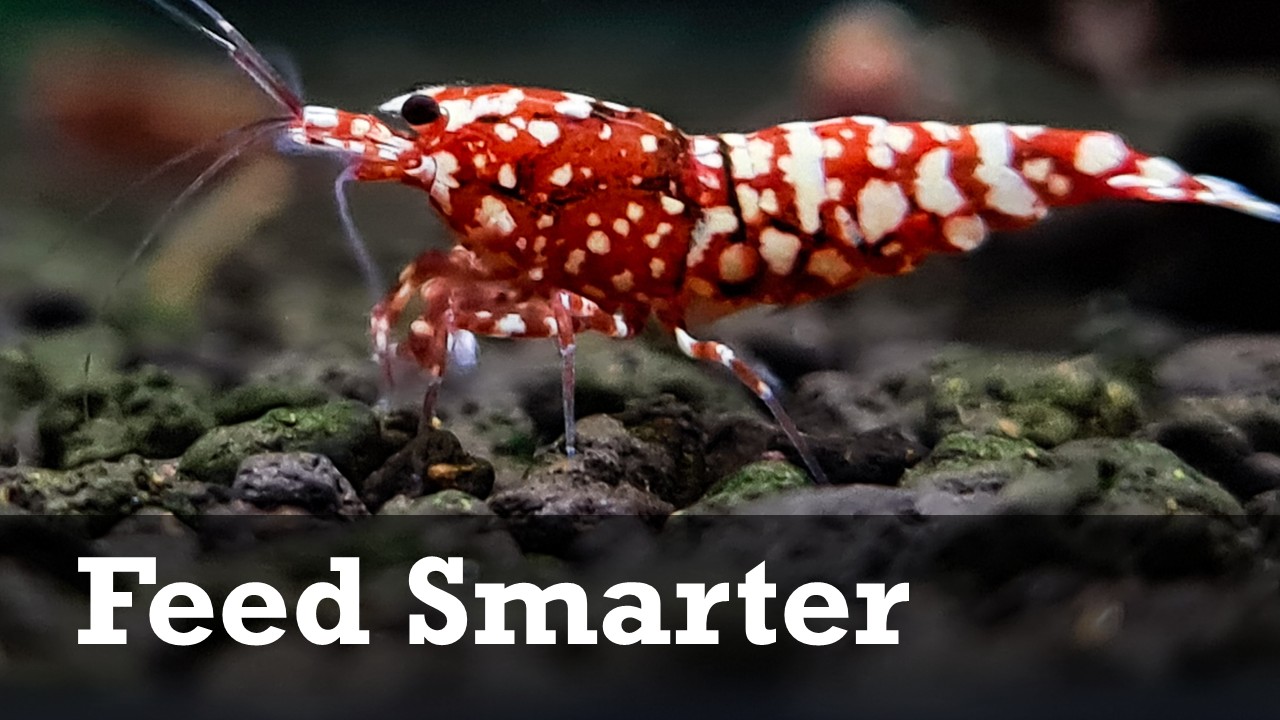
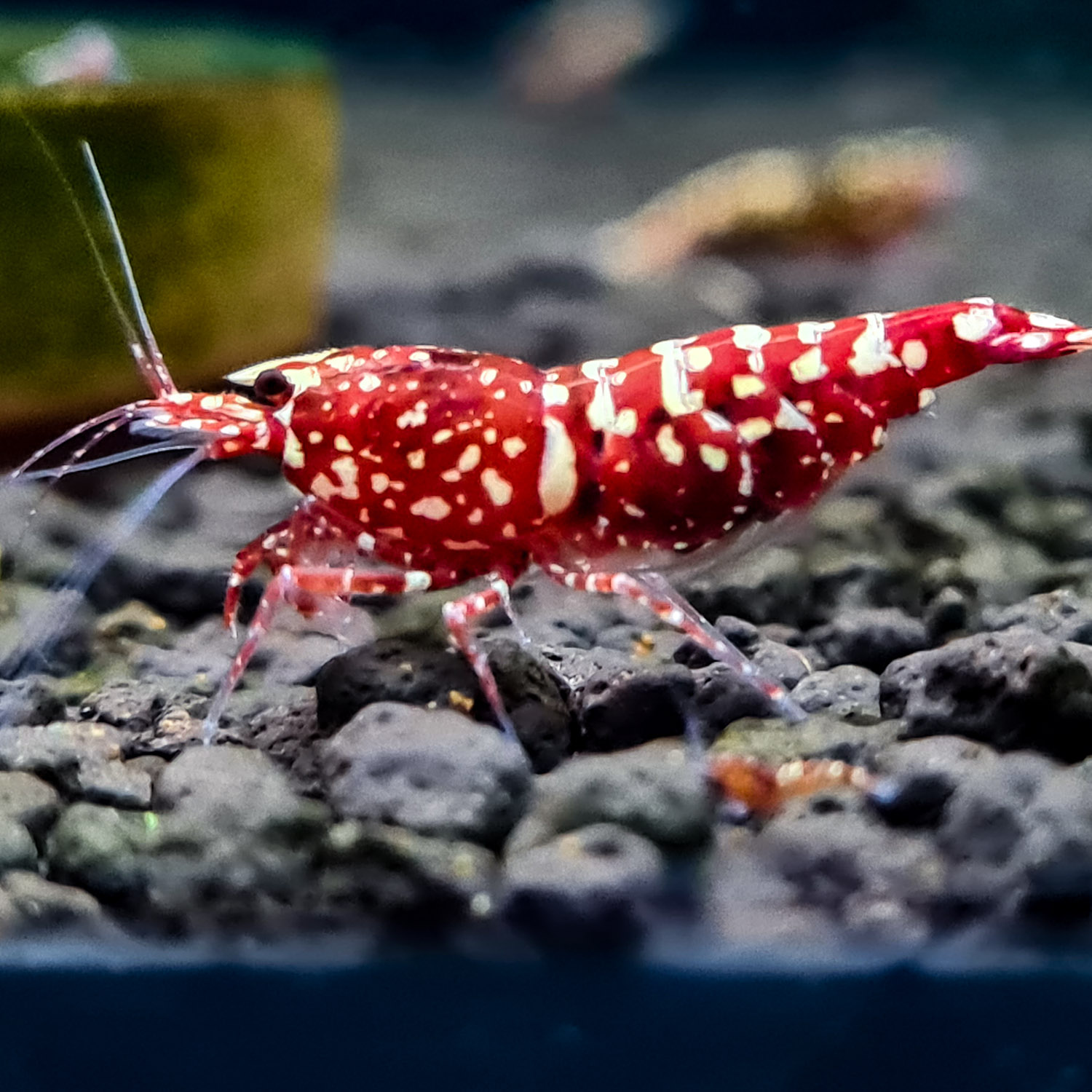
Shrimp, on the other hand, have a completely different approach. They graze. Grazing is not just an action—it’s a behavior. Unlike fish that respond to hunger cues or territorial, shrimp are constantly foraging, picking at surfaces with their tiny claws in a repetitive, almost instinctual motion. They don’t stop just because they’re full; their natural inclination is to search for food at all times. It’s part of their survival mechanism.
Imagine watching them closely—their delicate little claws working tirelessly, picking at the smallest particles, sifting through microscopic layers of biofilm. This is not random. This is instinct. This is how they are meant to eat.
So, if anyone ever tells you that you’re eating too much, just tell them you’re grazing like your shrimp!
Alright, jokes aside, let’s talk about why this matters.
The Problem: Using the Wrong Feeding Method
Most shrimp keepers, including myself when I first started, have followed the “Put in-Take out” method. The idea is simple: you drop in food, let the shrimp eat, and then remove any leftovers after a set period. Because shrimp graze continuously, feeding them in short, concentrated sessions means they miss out on the steady food availability they naturally depend on.
This is why shrimp breeders often struggle with baby shrimp survival rates.
We’re so focused on adding food that we forget what shrimp actually need: a consistent source of food that allows them to graze naturally, just as they would in the wild. Instead of working with their instincts, we disrupt them. Instead of making life easier for them, we make it harder.
The Solution: Biofilm as the Primary Food Source
To truly support our shrimp, we need to shift our focus from traditional feeding to biofilm cultivation.
What is biofilm?
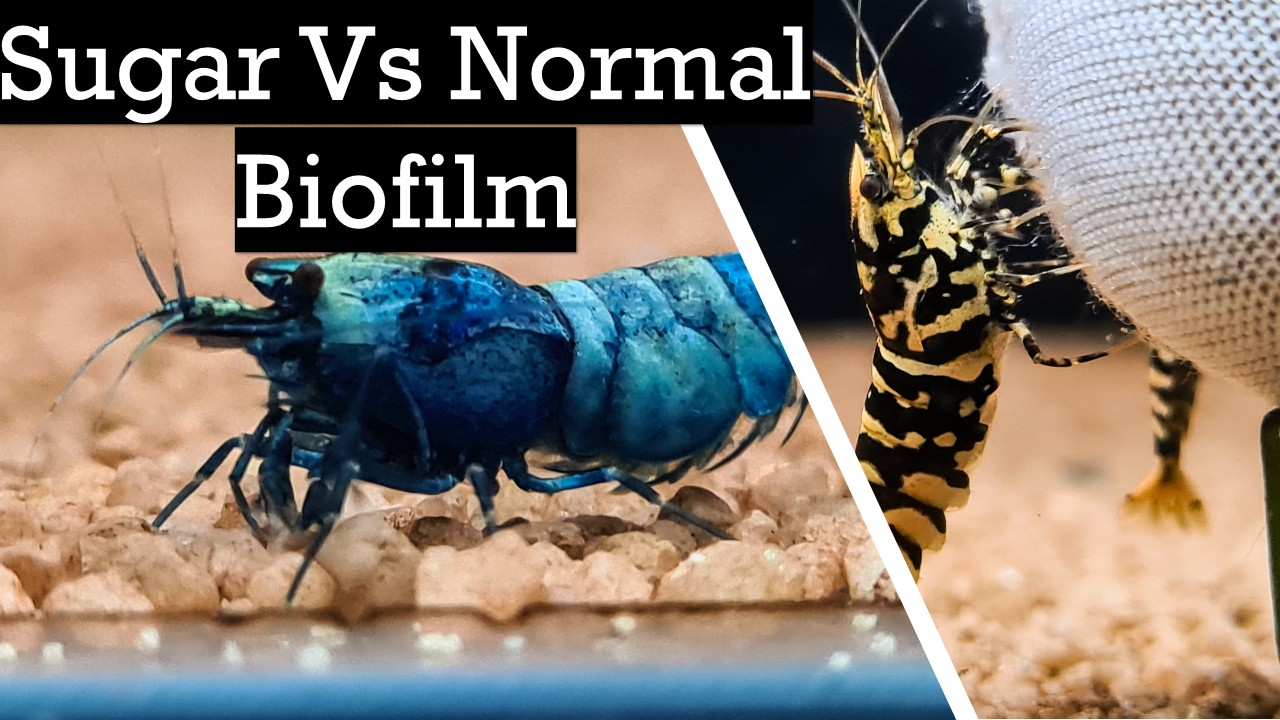
I have mentioned this in some of my videos, It’s a thin layer of microscopic life that forms naturally on surfaces like tank walls, gravel, fallen leaves, and filters. This biofilm is packed with beneficial microorganisms, algae, and organic matter that shrimp thrive on. It’s their natural food source.
It’s not just about nutrition; it’s about security. When shrimp have access to biofilm, they have the freedom to graze all day long, just like in their natural habitats. No stress. No waiting for food. Just instinctive, uninterrupted feeding.
Experienced hobbyists recognize the critical role of biofilm in shrimp breeding, with many express confidence in Kallax Balls for their success. Breeders from Europe and even Singapore report significantly improved shrimplet survival rates, with David from France and James from the UK reaffirming its effectiveness. However, not all Kallax Balls are the same—ours are hand-packed with precision, ensuring the highest quality and consistency. Hobbyists keep returning to us, not because of price, but because we understand which ingredient truly benefits shrimp. It’s not just a product; it’s a commitment to their well-being.
The Grazing Analogy: Why We Need More Biofilm
Think about free-ranging cattle. Farmers rotate them across different fields because if they stay in one place too long, they consume all the grass, damaging the land. The same thing happens in our shrimp tanks. Shrimp graze biofilm constantly, and if we don’t provide alternative for biofilm to grow, they strip their environment clean too quickly.
Unlike a cattle herder who can guide livestock to fresh pastures, we don’t have the luxury of moving our shrimp to a new environment when food sources run low. Instead, we must find ways to sustain their grazing needs within the limited space of an aquarium. This is where biofilm growth becomes essential.
By introducing materials that foster biofilm—like moss, Kallax balls, and Indian almond leaves—we create an ongoing, renewable food source for our shrimp. These surfaces act as mini grazing fields, replenishing naturally over time, just like how grass regrows in pastures. Without this approach, shrimp are left with an unstable food supply, which can lead to nutritional deficiencies, stress, and poor survival rates, especially for baby shrimp.
Think about the wild—shrimp are not waiting for pellets to drop from the sky. They survive by constantly scavenging, picking at biofilm-covered surfaces, ensuring they get a steady intake of nutrients. If we truly want to mimic their natural habitat and give them the best possible care, we need to stop thinking about food as a one-time event and start seeing it as an ecosystem-driven process—one where food is always available, just as nature intended.
Where Does Shrimp Feed Come In?
Once we establish a healthy biofilm presence, shrimp feed should be used as a supplement, not a primary food source. With adequate biofilm, daily feedings can be reduced to just one or two pellets per shrimp using high-quality breeder-select food.
By making this shift, we ensure that our shrimp receive a well-balanced diet while allowing them to engage in their natural grazing behavior. This leads to healthier shrimp, better survival rates for baby shrimp, and a more sustainable feeding approach overall.
Final Thoughts
For years, we’ve been feeding shrimp using fish-based methods, but it’s time to rethink our approach. By focusing on biofilm cultivation and treating main feed as a supplement rather than a staple, we can create a more natural, sustainable environment that aligns with how shrimp actually eat.
This hobby is about more than just keeping shrimp alive. It’s about understanding them, working with nature rather than against it, and creating an environment where they can truly thrive.
When we shift our mindset from “feeding” to “supporting their ecosystem,” we unlock the full potential of shrimp keeping.
Look into your tank. Watch your shrimp move, explore, and graze. Every small action is a part of something bigger. They are constantly searching, always engaged, always in harmony with their surroundings. This is their world, and we have the ability to make it better for them.
It’s not just about what you put in the tank—it’s about the world you create within it.
So next time you look at your shrimp, think of them as tiny grazing animals, constantly foraging, always on the move—and let’s give them the kind of food source they were meant to have.